

What are network support services? In simple terms, they’re the behind-the-scenes planning, maintenance, and protection that keep your business network fast, secure, and reliable. From preventing outages to scaling with your growth, these services make sure your technology works for you, not against you.
Most business owners know they rely on their network every single day. Yet ask ten people to explain what network support services include, and you’ll probably get ten different answers or a blank stare.
It’s easy to see why. “Network support” sounds vague until you experience a major outage, a security breach, or a day’s worth of lag that drags your team’s productivity to a halt. By then, the damage is done, and the fix is rarely cheap.
If you run a small or midsize business, you deserve a clear view of how your network works, what could go wrong, and how to prevent those headaches. This guide will break down what network support services cover and why having ongoing network support in place is far better than scrambling for help when things go wrong.
Lamb Telecom works as your trusted Tech Advisor to make these decisions simple. You get clear options, proven solutions, and access to trusted providers who handle the technical details. And because the tech vendors cover the cost of working with us, you pay nothing extra.
What Network Support Services Cover
Your network is more than cables and routers. It’s the backbone of your business, connecting your devices, applications, teams, and customers. When it works well, you barely notice it. When it doesn’t, everything slows down.
Network support services exist to keep that backbone healthy, secure, and ready for growth. This isn’t just about emergency fixes. It’s about proactive care, early detection, and planning so you don’t have to keep one eye on your IT all the time.
If you’ve ever wondered what you’re paying for when you hire a provider for network support, here’s what’s actually included.

Core Components of Strong Network Support Services
1. Design and Architecture
A reliable network starts with a clear plan that fits how you work. Many small businesses still rely on outdated layouts that limit speed and flexibility. Good design maps out how data moves, where equipment should go, and what you need for steady performance.
Your network plan should leave room to grow without constant patchwork fixes. If you add new people or locations, you want a design that handles it smoothly. Planning now saves you from bigger problems later.
2. Implementation and Deployment
Even the best design fails if setup is sloppy or incomplete. Implementation means putting each piece in place correctly so your network runs as expected. This step includes configuring switches, setting up secure connections, and testing everything before it goes live.
Careful deployment reduces future breakdowns that drain time and money. It also ensures you have documentation to solve issues faster when they come up.
3. Security and Threat Protection
Small businesses are common targets for cyberattacks because they often overlook routine protection. Good security means more than adding passwords and hoping for the best. It covers regular checks, updated tools, and strong encryption to guard sensitive data.
Real protection also includes monitoring so you catch threats early, not after damage is done. The goal is to block problems before they reach your network.
4. Monitoring and Optimization
A healthy network today doesn’t guarantee smooth performance next week. Ongoing monitoring watches traffic, hardware, and usage patterns around the clock. This helps catch potential problems before they cause slowdowns or outages.
Optimization works with monitoring to fix issues at the source. It makes sure your network runs efficiently, so your team isn’t stuck waiting on slow connections.
5. Wireless Networking
Most workplaces can’t function without dependable Wi-Fi. Good wireless support includes more than a few routers and basic passwords. It ensures coverage is strong throughout your space, with secure access for guests and mobile teams.
Support should also adjust as needs change, so devices connect easily and stay protected. A strong wireless network keeps work moving without constant interruptions.
6. Upgrades and Expansion
Technology doesn’t stand still, and neither should your network. Upgrades help you keep pace with new apps, extra devices, and growing data demands. Skipping them often leads to hidden bottlenecks and user complaints.
A good support plan includes clear steps for expanding capacity. This way, you’re not caught off guard when you outgrow what you have in place.

What’s Missing in a Break-Fix Model
Many small businesses still stick with the old break-fix approach because it feels simple and cheap upfront. If something breaks, you call someone to patch it up, pay the bill, and move on. But this reactionary mindset often hides bigger problems that stay unresolved. Over time, those hidden issues can cost far more than regular, proactive support ever would.
When you rely only on break-fix help, you miss out on several safeguards that ongoing network support services provide:
- Real-Time Monitoring: Continuous oversight catches small issues early, before they grow into major disruptions.
- Performance Optimization: Connections are tuned and tested regularly so you’re not dealing with recurring slowdowns or dropped calls.
- Current Security Measures: Firewalls, patches, and threat detection stay up to date to block evolving cyber threats.
- Hardware Health Tracking: Devices are checked for signs of wear or failure so replacements can happen before downtime hits.
- Scalable Growth Planning: Your network is reviewed against business goals to ensure it can handle new staff, locations, and tools without friction.
The quick fix might feel convenient, but it rarely stays quick or cheap. Paying for emergencies eats into your budget and your time. With ongoing network support services, you stay ahead of problems instead of cleaning up the mess afterward. In the long run, prevention always costs less than constant repair.
Why Network Support Matters (And What Happens Without It)
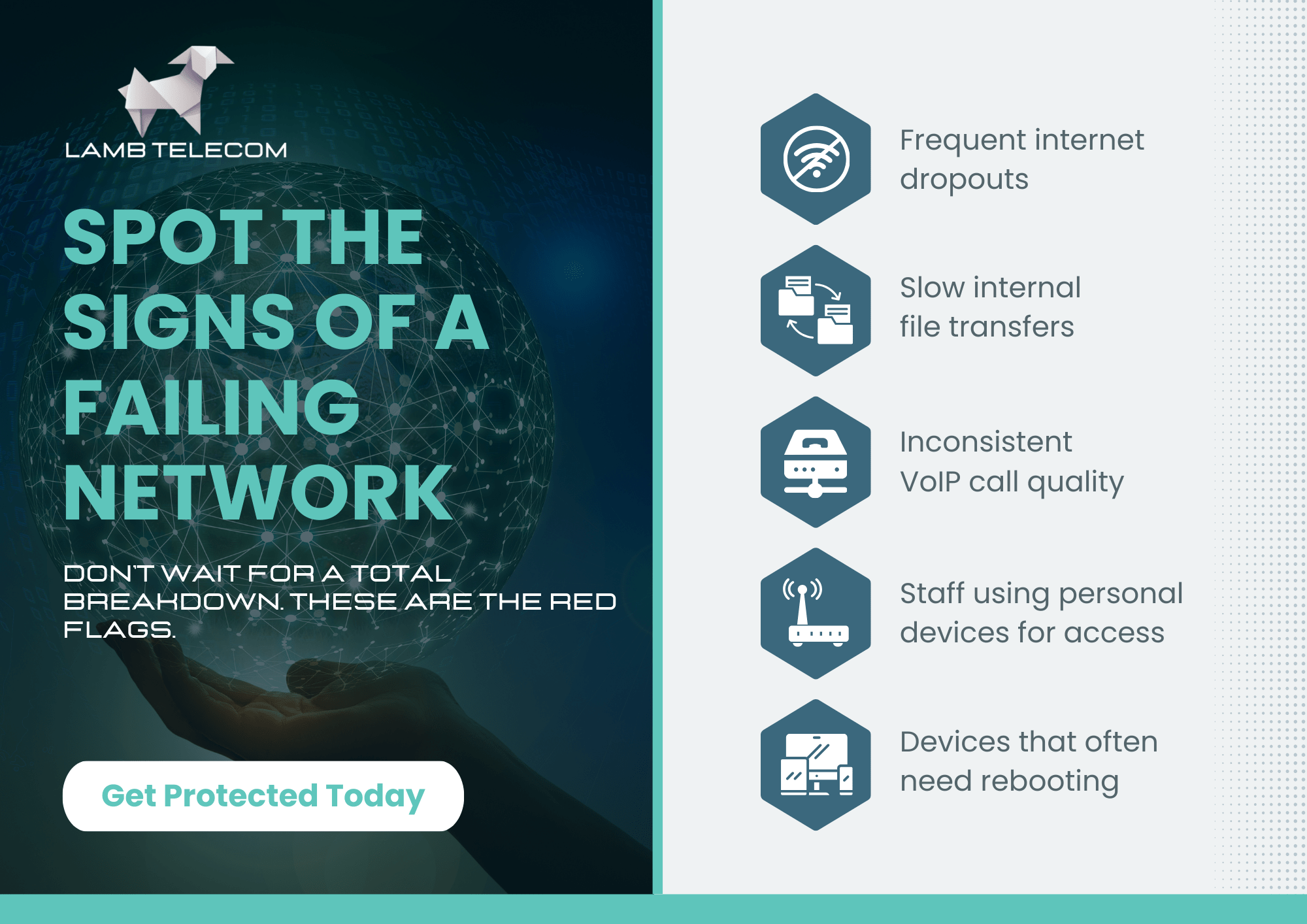
Even with a clear list of services, it’s easy to think, “We’ll deal with it if something happens.” But network issues rarely show up at a convenient time. They tend to hit when you’re busiest or when you can least afford a shutdown. What looks like a small hiccup now can turn into hours or days of lost work later.
Many business owners don’t realize how much they depend on small details running smoothly until they stop. A single point of failure like an old switch or an unpatched router can bring the entire system down. It’s not just about downtime; it’s about the stress, confusion, and cost of fixing problems that could have been avoided.
Proactive network support helps you avoid these headaches altogether. It keeps you in control and stops problems before they derail your work. Let’s look at three real-world scenarios that show how gaps in network support services can hit your business hard. These are not worst-case extremes — they’re common situations many teams face when they rely on a patchwork approach instead of steady support.
1. The Silent Bottleneck
A growing marketing firm relies on file sharing and large uploads. For years, their old network setup seemed fine until they added more remote staff and new tools that ate up bandwidth. Suddenly, uploads crawl, video calls glitch, and clients complain.
The team tries workarounds, but productivity drops. Eventually, they call for help, only to learn their network was never designed for this level of traffic.
Takeaway: Proactive monitoring and planning would have flagged the bottleneck early. A network that scales with your growth keeps work moving without hidden slowdowns.
2. The Surprise Breach
A local retailer uses a simple Wi-Fi network for transactions and guest access. No one checks security updates regularly because they assume their firewall is enough. One weekend, a hacker exploits an outdated router. Customer payment info gets exposed.
The fallout includes lost trust, expensive recovery, and a reputation hit that lingers for months.
Takeaway: Good network support services cover security basics like patch management, encryption, and real-time monitoring, closing gaps you might not even know exist.
3. The Costly Emergency Fix
A small manufacturer runs all operations through a single network switch that’s ten years old. One Monday, it fails completely. Machines can’t talk to each other, orders get delayed, and production stops.
They scramble to find a replacement and an IT tech to configure it. The downtime costs more than the entire year’s support would have plus lost orders and overtime to catch up.
Takeaway: Proactive hardware checks and upgrade planning help you avoid expensive surprises and keep your operations steady.
The True Cost: Fixing vs. Preventing
These scenarios are not unusual. Small businesses get caught off guard all the time because no one’s watching for early warning signs. Break-fix feels cheaper at first until you add up the real costs of lost productivity, emergency call-outs, and customer frustration.
Ongoing network support services help you control these risks. They give you a clear picture of what’s working, what needs tuning, and what needs replacing before it breaks.
Think of it like regular maintenance on your car. You wouldn’t skip oil changes and hope the engine holds up. Your network works the same way.
How to Choose the Right Support Without the Guesswork
Finding a support model that fits your business isn’t always simple. Too many companies get stuck comparing plans that all sound the same on paper. Some providers want you in long-term contracts that don’t match how you operate. Others might handle parts of your network well but fall short on security or long-term planning.
Choosing the wrong partner can mean you’re right back to paying for quick fixes instead of getting steady results. You deserve better than guessing or hoping you made the right call. That’s where having an experienced advisor on your side can save you stress, wasted money, and wasted time.

A Better Way: The Lamb Telecom Approach
Lamb Telecom isn’t here to sell you support directly or push you into a cookie-cutter plan. Instead, you get a trusted partner who does the homework with you. You get straight answers about what you really need, what you don’t, and which vetted providers can deliver. That means you stay out of the weeds while someone who knows the terrain keeps you moving forward.
The best part? You don’t pay extra to get this level of clarity and protection. The tech vendors cover our cost because they know you’ll stick with the right solution when you’re clear on what you’re getting. You stay focused on your business while we help you avoid costly mistakes.
When you’re supported like this, you don’t have to second-guess your next move. You don’t waste hours trying to compare plans you don’t fully understand. You get a solution that fits — without the fear of surprise gaps that send you back to break-fix mode.
Here’s what you’ll gain working with a trusted advisor:
- Clarity: You know exactly what you’re paying for, why it matters, and where your money is going.
- Confidence: You can trust that your network support services actually match your risks and goals, not just a standard checklist.
- Control: You spend more time planning growth and less time cleaning up unexpected breakdowns.
Your network should help your business run better every day, not cause you stress and surprise bills. The right support puts you in charge, ready for what’s next, and free to focus on what you do best.
Ready to Make a Better Choice for Your Network?
Your network won’t fix itself. Small issues become big ones if no one’s watching. A few minutes of slow speeds here and there can add up to days of wasted work over a year. A single overlooked vulnerability can lead to months of damage control.
Proactive network support services put you back in control, and working with a trusted advisor like Lamb Telecom makes the entire decision process simpler.
If you want help clarifying your options and getting connected with the right provider, reach out. There’s no cost to you. Just better decisions, fewer risks, and peace of mind that your network will keep up with your business. Contact Lamb Telecom today to find out how we can help you find the right solution, so you can focus on what you do best.
Frequently Asked Questions About Network Support Services
1. What are network support services?
Network support services include the planning, setup, monitoring, and maintenance that keep your business network fast, secure, and reliable. They cover everything from hardware and software configuration to ongoing optimization and security protection.
2. Why are network support services important for small businesses?
They help prevent costly downtime, protect sensitive data, and ensure your network can scale as your business grows. Proactive support means you avoid the hidden costs and disruptions that come with emergency fixes.
3. How do network support services improve security?
A good network support plan includes real-time monitoring, regular updates, firewall and encryption management, and threat detection. These measures block vulnerabilities before they can be exploited, keeping your systems and data safe.
4. What’s the difference between break-fix and ongoing network support?
Break-fix is reactive — you call for help only after something breaks. Ongoing network support is proactive, detecting and preventing issues before they cause downtime or security breaches.
5. How much do network support services cost?
Pricing depends on your network size, complexity, and provider. With Lamb Telecom, the cost is covered by vetted tech vendors, so you get expert guidance at no extra cost to your business.